
Protein Power: Build Muscle Like a Pro
Master the science of nutrition timing, macro balance, and strategic supplementation to unlock your muscle-building potential. Learn what Indonesia's top athletes are doing to transform their physiques through intelligent nutrition.
The information on this site is for educational purposes only and does not constitute medical advice. Always consult a qualified healthcare professional before making health decisions.
Your 4-Step Muscle Building Framework
Transform your physique by following this proven sequential approach to muscle nutrition and lifestyle integration.
Assess Your Baseline
Begin by evaluating your current body composition, daily caloric intake, activity level, and individual metabolism. Understanding where you stand is essential for creating a personalized nutrition roadmap.
Calculate Macro Targets
Determine your protein, carbohydrate, and fat requirements based on your training intensity and muscle-building goals. Precision in macronutrient distribution is the foundation of accelerated gains.
Optimize Meal Timing
Synchronize your nutrition with your training schedule. Pre-workout fueling, post-workout recovery nutrition, and strategic meal spacing throughout the day maximize protein synthesis and muscle repair.
Track and Adjust
Monitor your progress weekly through strength gains, body composition changes, and energy levels. Continuously refine your nutrition strategy based on real-world results and feedback from your body.
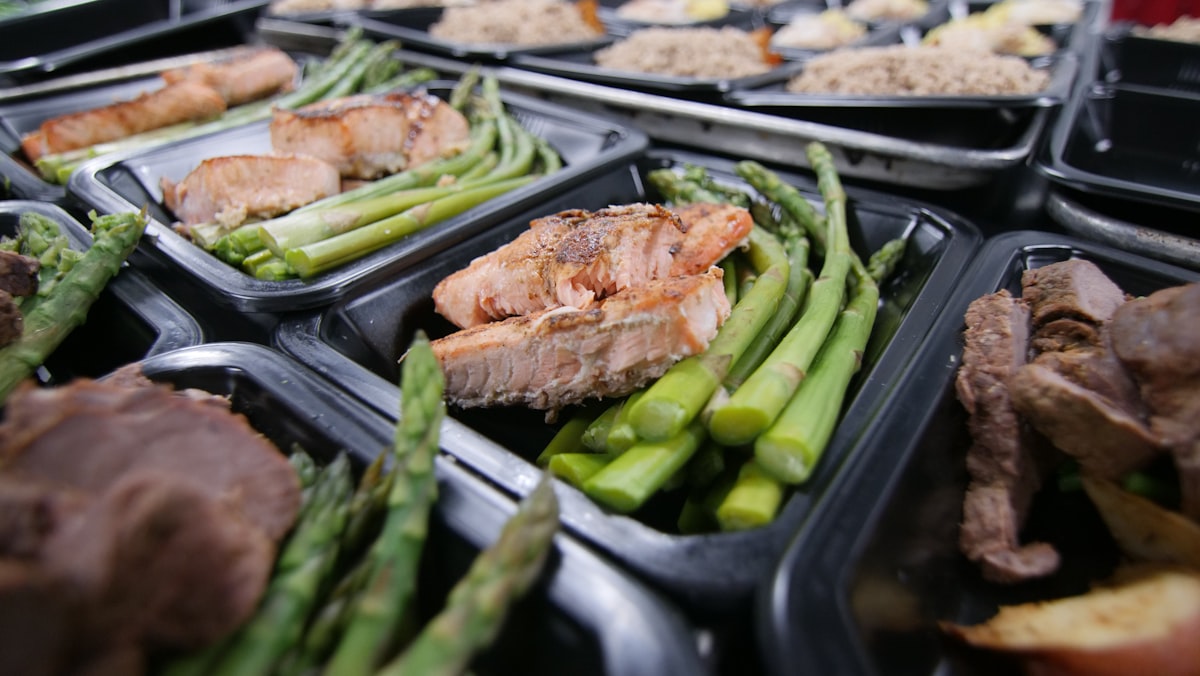
Nutrition Timing: The Secret Weapon
While most beginners focus solely on total daily calories, elite muscle builders understand that when you eat is equally important as what you eat. Strategic meal timing amplifies protein synthesis, reduces muscle breakdown, and accelerates adaptation to training stimulus.
Pre-Workout Nutrition (60-90 minutes before)
Consume easily digestible carbohydrates and moderate protein to fuel your workout and prime your muscles for optimal performance during training.
Post-Workout Nutrition (within 90 minutes after)
This is the critical window for maximum nutrient uptake. Deliver fast-absorbing carbs and high-quality protein to initiate muscle repair and replenish depleted glycogen stores.
Distributed Protein Throughout the Day
Spread 20-40 grams of quality protein across 4-5 meals to maintain continuous muscle protein synthesis and prevent catabolic periods between feeding.
What Intelligent Muscle Nutrition Delivers
Discover the measurable benefits that come from applying science-backed nutritional principles to your training regimen.
Accelerated Muscle Growth
Proper macro balance and meal timing activate muscle protein synthesis pathways more efficiently. Athletes typically observe noticeable strength increases and muscle definition within 4-6 weeks of optimized nutrition.
Superior Training Performance
Strategic carbohydrate intake before workouts enhances energy availability and endurance. Recovery nutrition accelerates the restoration of strength and capacity, enabling progressive overload and continuous gains.
Enhanced Recovery Quality
Adequate protein and micronutrient intake reduce delayed onset muscle soreness and support hormonal balance. Better recovery means you can train harder, more frequently, and with greater consistency.
Essential Nutrients for Muscle Growth
These critical macronutrients and micronutrients form the foundation of every successful muscle-building nutrition plan.
Complete Protein
The primary building block for muscle tissue. Aim for 0.8-1g per pound of bodyweight daily from sources like chicken, fish, eggs, Greek yogurt, and plant-based options. Complete proteins contain all nine essential amino acids required for muscle synthesis.
Top sources: Lean beef, salmon, cottage cheese, lentils, tofu
Complex Carbohydrates
Essential fuel for intense training sessions. Complex carbs provide sustained energy release and replenish glycogen stores post-workout. Target 4-7 grams per kilogram of bodyweight depending on training volume and intensity.
Top sources: Brown rice, oats, sweet potatoes, quinoa, whole grain bread
Healthy Fats
Critical for hormonal production, including testosterone. Aim for 20-30% of total daily calories from unsaturated and omega-3 rich sources. These fats also support nutrient absorption and inflammatory response management.
Top sources: Avocados, olive oil, fatty fish, nuts, seeds
Micronutrients
Iron, zinc, magnesium, and vitamin D regulate energy production, immune function, and protein synthesis. Deficiencies significantly impair muscle growth and recovery capacity. Prioritize variety in whole food sources to cover all micronutrient needs.
Key nutrients: Zinc, iron, magnesium, vitamin D, B vitamins
BCAAs & Leucine
Branch-chain amino acids (BCAAs) and leucine specifically trigger mTOR, the primary pathway for muscle protein synthesis. These are especially valuable for post-workout recovery and reducing muscle breakdown during fasting periods.
Primary source: Whey protein, chicken, eggs contain high leucine content
Optimal Hydration
Water is essential for nutrient transport, temperature regulation, and muscle contraction. Even mild dehydration reduces strength output and impairs recovery. Consume 3-4 liters daily, adjusting for climate and training intensity.
Goal: Half your bodyweight in ounces, minimum daily intake
Common Muscle Building Nutrition Questions
Get answers to the most frequently asked questions about optimizing your diet for maximum muscle growth.
The optimal range is 0.8 to 1.0 grams of protein per pound of bodyweight daily. Some athletes consume slightly more (up to 1.2g per pound) without additional benefit, but anything less than 0.8g per pound may not maximize muscle protein synthesis. This target assumes you're in a caloric surplus and engaging in regular resistance training. Distributed across 4-5 meals, this ensures continuous amino acid availability for muscle repair and growth.
Building new muscle tissue requires a caloric surplus, as energy is needed for muscle protein synthesis and repair. However, resistance training combined with high protein intake during a modest deficit (500 calories below maintenance) can help preserve existing muscle mass while reducing body fat. This approach is useful for body recomposition in beginners or when returning from inactivity, but significant new muscle growth typically requires eating at or above maintenance calories.
The ideal post-workout meal contains 30-40 grams of high-quality protein combined with 40-80 grams of fast-digesting carbohydrates. Examples include chicken with white rice, lean beef with pasta, or a protein shake with banana and oats. The carbohydrates trigger an insulin spike that enhances amino acid uptake into muscle cells, while the protein provides raw materials for tissue repair. Aim to consume this meal within 60-90 minutes after your workout when muscles are most responsive to nutrients.
While whole foods should form the foundation of your nutrition, protein powder offers significant practical advantages. It's cost-effective, convenient for reaching high daily protein targets, and provides rapid absorption post-workout when whole foods digest too slowly. The best approach combines 80-90% whole food protein (chicken, fish, eggs, Greek yogurt, legumes) with 10-20% from quality protein supplements. This balance ensures complete micronutrient intake while maintaining flexibility in a busy schedule.
Track your weight weekly for 3-4 weeks while monitoring strength progress. Aim to gain 0.5significant weight per week if male or 0.25-0.5 pounds per week if female. If gaining too fast, you're accumulating excess fat; if not gaining at all, increase calories by 200-300. Additionally, observe your training performance—if you're consistently hitting personal records and feel energized, your calorie intake is likely appropriate. Energy levels, performance, and composition changes are better indicators than the scale alone.
Carbohydrates trigger insulin release, which is anabolic (muscle-building) and drives amino acids into muscle cells more efficiently than protein alone. They also replenish muscle glycogen—the primary fuel for intense training—which is essential for maintaining strength and training volume. Additionally, carbs reduce cortisol (a catabolic hormone) and support thyroid function and testosterone production. Eliminating carbs while trying to build muscle significantly impairs your results, making strategic carbohydrate timing a cornerstone of effective muscle nutrition.
Real Transformations from Our Readers
See how athletes across Indonesia have applied these nutritional principles to achieve impressive body composition changes.
"I was spinning my wheels in the gym for years without seeing real gains. The nutrition timing strategies outlined here completely changed my approach. Within three months of properly timing my meals around workouts and hitting my macro targets, I gained 8 pounds of lean muscle and my bench press went up 35 pounds. The science actually works."
Adi Permana
Jakarta, Personal Trainer
"As someone who trains early morning , these guides have been a game-changer. The nutrition tips alone saved me hours of meal prep."
— Marcus T., Fitness Enthusiast
"The science-backed approach here is incredible. No fluff, just real results. I've gained 15 pounds of lean muscle in 6 months!"
— Sarah M., Personal Trainer
Ready to Transform Your Physique?
Join thousands of fitness enthusiasts who've discovered science-backed muscle-building strategies. Get instant access to our comprehensive guides, workout programs, and nutrition plans.
No credit card required. Instant access to all premium content.
Frequently Asked Questions
Musclebuildtips
Science-backed strategies for building lean muscle and maximizing strength gains.
Quick Links
© 2024 Musclebuildtips. All rights reserved. | Privacy Policy | Terms of Service