
NUTRITION
Muscle Building Nutrition Basics
Learn the essential nutrients and meal timing strategies to maximize your muscle growth potential.
Read MoreDiscover science-backed nutrition strategies, meal timing techniques, and supplement guidance from Musclebuildtips experts. Transform your body through intelligent eating and proven fitness nutrition principles.
The information on this site is for educational purposes only and does not constitute medical advice. Always consult a qualified healthcare professional before making health decisions.
Customized meal strategies designed to maximize muscle protein synthesis and optimize your daily calorie intake for sustainable growth.
Expert guidance on protein timing, portion sizing, and source selection to support lean muscle development and workout performance.
Complete framework for electrolyte balance, post-workout nutrition, and nutrient timing to accelerate physical adaptation and muscle repair.
Data-driven approach to monitoring nutrition intake, adjusting macronutrient ratios, and measuring real results through systematic tracking methods.
One of the most misunderstood concepts in fitness nutrition is the precise timing of protein intake. Our nutritionists have worked with hundreds of athletes to identify the optimal windows for muscle protein synthesis and recovery adaptation.
Pre-workout nutrition prepares muscles for intense stimulus, while post-workout feeding delivers essential amino acids when muscle protein breakdown rates are elevated. The interplay between training intensity, nutrient availability, and hormonal response determines whether your body builds or breaks down tissue.
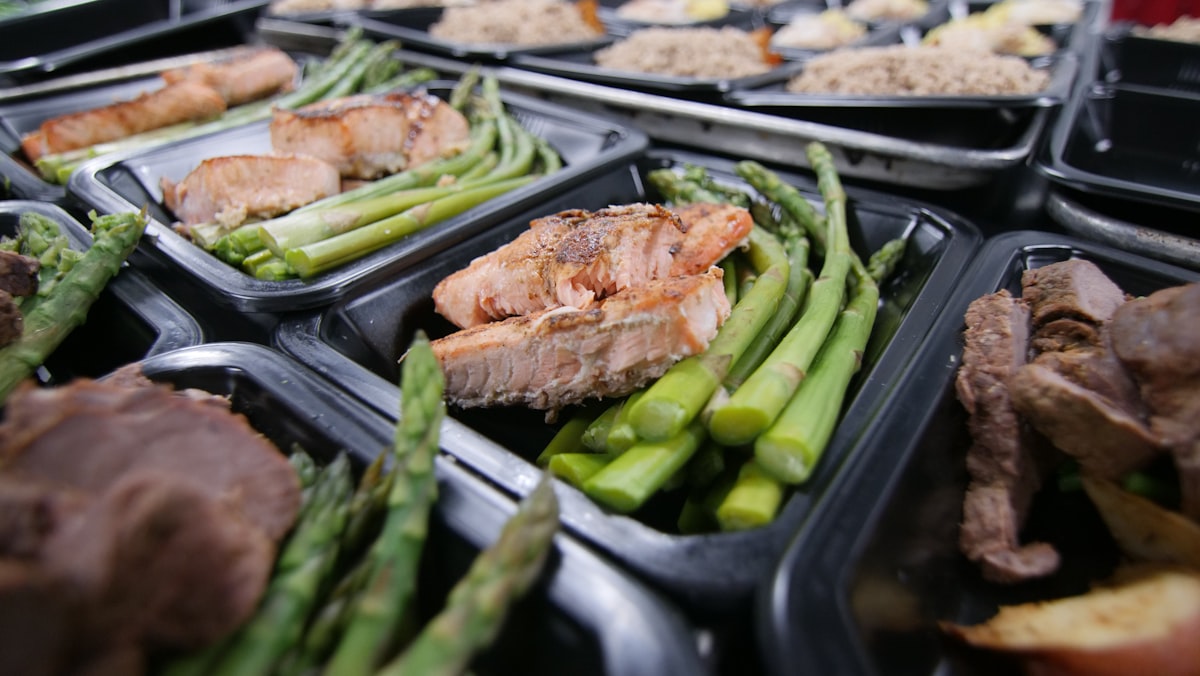
All nine essential amino acids in proper ratios. Animal sources like chicken, beef, and fish provide optimal amino acid profiles for muscle protein synthesis. Plant-based combinations require careful planning to achieve complete amino acid coverage.
Explore plans →Fuel your training with glucose for energy and performance. Timing carbs around workouts replenishes muscle glycogen stores and supports hormonal recovery. Choose whole grains, oats, and sweet potatoes for sustained energy.
Learn more →Essential for hormone production and nutrient absorption. Omega-3 fatty acids from fish, flaxseeds, and walnuts reduce inflammation and support recovery. Include 20-35% of calories from quality fat sources daily.
View plans →Vitamins and minerals regulate energy production, muscle contraction, and immune function. Iron, magnesium, zinc, and B vitamins are crucial for athletes. Focus on colorful vegetables, leafy greens, and whole foods.
Discover articles →Creatine monohydrate, whey protein, and beta-alanine are backed by substantial research. These supplements fill nutritional gaps when whole foods aren't convenient. Quality and consistency matter more than brand prestige.
Read guide →Berries, turmeric, ginger, and green tea contain polyphenols that reduce exercise-induced inflammation. Chronic inflammation impairs recovery, so strategic food choices accelerate adaptation and muscle development.
View plans →Our editorial team synthesizes peer-reviewed research into practical, actionable nutrition advice. We cite scientific literature and explain the reasoning behind every recommendation.
Our contributors include former competitive athletes, strength coaches, and registered dietitian nutritionists who have applied these principles in real-world training environments.
We explain the science of muscle hypertrophy, protein synthesis, and progressive overload. Understanding the "why" helps you make informed decisions about your own nutrition strategy.
We provide honest assessments of nutrition strategies, supplements, and training methods. Our editorial independence means recommendations are based on evidence, not brand partnerships or affiliate incentives.
Fitness science evolves continuously. We regularly review emerging research and update our content to reflect the latest findings in sports nutrition, metabolic adaptation, and muscle physiology.
Your feedback shapes our content roadmap. We welcome questions, corrections, and article suggestions from readers. Contact our editorial team at [email protected] with content inquiries.
Real feedback from people who have transformed their understanding of nutrition and training through our content.
"I've been reading Musclebuildtips for six months now, and the protein timing article completely changed how I approach my meals around workouts. My lifts have improved and I'm finally seeing muscle definition. The science-backed explanations make everything make sense."
Rudi Hartawan
Jakarta, Indonesia
"As a personal trainer, I recommend Musclebuildtips articles to all my clients who want to understand nutrition fundamentals. The explanations are clear without being oversimplified. No hype, just honest information backed by research."
Budi Santoso
Surabaya, Indonesia
"I was confused about macronutrient ratios and supplement timing. Reading through your nutrition plans guide cleared everything up. The detailed explanations of how muscle protein synthesis works helped me design a strategy that actually fits my lifestyle."
Adi Wijaya
Bandung, Indonesia
Calculate your maintenance calories and establish baseline macronutrient targets. Begin tracking food intake using a nutrition app. Establish consistent meal timing patterns and identify protein sources you enjoy.
Fine-tune protein timing around workouts. Implement pre-workout and post-workout nutrition strategies. Adjust carbohydrate intake based on training intensity and volume. Add anti-inflammatory foods to reduce recovery time.
Introduce supplement strategy if desired. Increase total calories in line with training progression. Ensure micronutrient adequacy through food variety. Review progress photos and performance metrics.
Evaluate results against your baseline. Adjust macronutrient ratios based on body composition changes and performance data. Plan next phase of nutrition programming. Establish sustainable long-term eating patterns.
Research supports consuming 1.6 to 2.2 grams of protein per kilogram of body weight daily for optimal muscle protein synthesis. If you weigh 80 kilograms, aim for 128-176 grams of protein daily. This range accounts for individual variation in training stimulus, recovery capacity, and genetic response. Amounts above 2.2g/kg appear to provide no additional benefit for muscle growth, though adequate protein remains non-negotiable.
Total daily protein and calories matter far more than meal frequency. Whether you eat three meals or six meals daily produces similar muscle growth results if total macronutrient targets are met. Choose a meal frequency that fits your lifestyle and maintains consistent protein intake. Some athletes prefer three larger meals; others thrive on smaller, frequent snacks. The best approach is the one you'll sustain long-term.
Creatine monohydrate is among the most researched and effective sports supplements available. A daily dose of 5 grams provides consistent benefits for muscle strength, power output, and hypertrophy development. It increases muscle water content and phosphocreatine stores, supporting ATP regeneration during high-intensity exercise. Loading phases are unnecessary; consistent daily intake produces results within 3-4 weeks. Safety data across thousands of users shows it to be well-tolerated for long-term use.
Beginners and people returning to training after deconditioning can build muscle while in a caloric deficit or at maintenance calories. This phenomenon, called "body recomposition," is possible when you have untapped training potential. However, for experienced lifters, a modest surplus of 300-500 calories daily optimizes muscle gain while minimizing excessive fat accumulation. Prioritize consistent training stimulus and adequate protein over achieving a specific caloric target.
Training stimulus triggers adaptation, but sleep and recovery are when muscle growth actually occurs. Consistent seven to nine hours of quality sleep nightly supports hormone balance, immune function, and protein synthesis. Poor sleep impairs testosterone production, increases cortisol, and reduces training performance. Adequate nutrition, hydration, and sleep work synergistically; neglecting any single factor limits your results regardless of perfection in other areas.
Subscribe to our editorial updates and receive evidence-based nutrition strategies delivered directly to your inbox. We send new articles, research summaries, and practical guides on muscle building nutrition.
We respect your privacy. Unsubscribe anytime. No spam, just valuable content.
Learn the essential nutrients and meal timing strategies to maximize your muscle growth potential.
Read More
Discover progressive overload methods, drop sets, and supersets to break through plateaus.
Read More
Optimize sleep, manage stress, and choose effective supplements for faster muscle recovery.
Read More"Musclebuildtips transformed my fitness journey. The detailed guides and science-backed advice helped me gain 15 pounds of lean muscle in 6 months."
— Marcus J.
Fitness Enthusiast
"As a beginner, I was overwhelmed. But the step-by-step tutorials and form guides made everything clear. Best resource I found!"
— Sarah T.
Personal Trainer
"The nutrition science content alone is worth it. I finally understand macros, meal timing, and how to fuel my workouts properly."
— David R.
Competitive Bodybuilder
Most people notice visible muscle growth within 4-8 weeks of consistent training and proper nutrition. However, significant changes typically appear after 8-12 weeks. The timeline depends on factors like genetics, training intensity, diet, and recovery quality.
For beginners, we recommend a full-body workout routine 3 days per week. This allows proper recovery while hitting all muscle groups multiple times weekly. As you progress, you can move to upper/lower splits or push/pull/legs routines for increased volume and specialization.
No, supplements are optional. A solid diet with adequate protein, carbs, and fats is the foundation. Creatine and whey protein are cost-effective additions, but whole foods should always be your priority. Focus on training hard and eating consistently first.
Aim for 0.7-1.0 grams of protein per pound of body weight daily. For a 180-pound person, that's 126-180 grams per day. This ensures adequate amino acids for muscle protein synthesis. Spread intake across 4-5 meals for optimal results.
Yes! Bodyweight exercises, resistance bands, and home equipment can build muscle effectively. Progressive overload is key—increase reps, sets, or resistance over time. Many athletes use calisthenics exclusively. Our guide covers home training routines for all levels.
Join thousands of athletes using Musclebuildtips to achieve their muscle-building goals. Get instant access to our complete resource library.
No credit card required • 100% free content • Science-backed training plans