
Nutritionist Tips for Muscle Building
Discover science-backed nutrition strategies from expert nutritionists at Musclebuildtips. Learn how proper nutrition fuels muscle growth and optimizes your training results.
The information on this site is for educational purposes only and does not constitute medical advice. Always consult a qualified healthcare professional before making health decisions.
Browse Topics by Category
Featured Nutritionist Guides
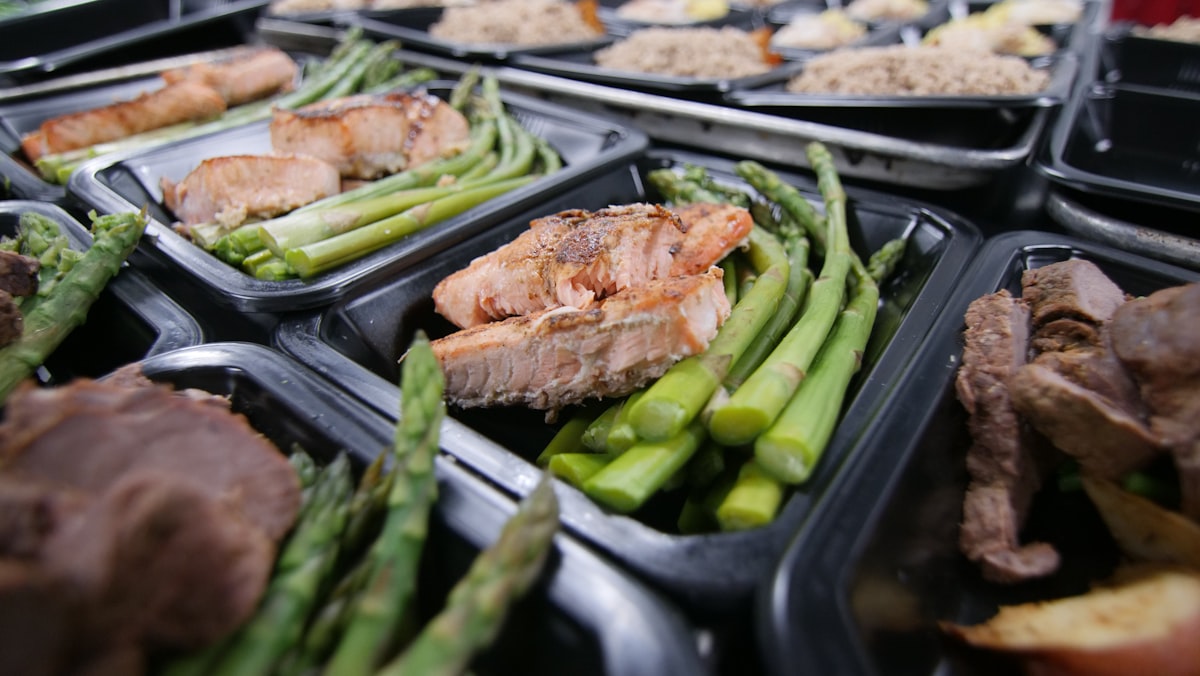
Protein Fundamentals for Muscle Growth
Learn the essential role of protein in muscle synthesis, optimal daily intake calculations, and how to distribute protein throughout your day for maximum muscle-building results.
Read Article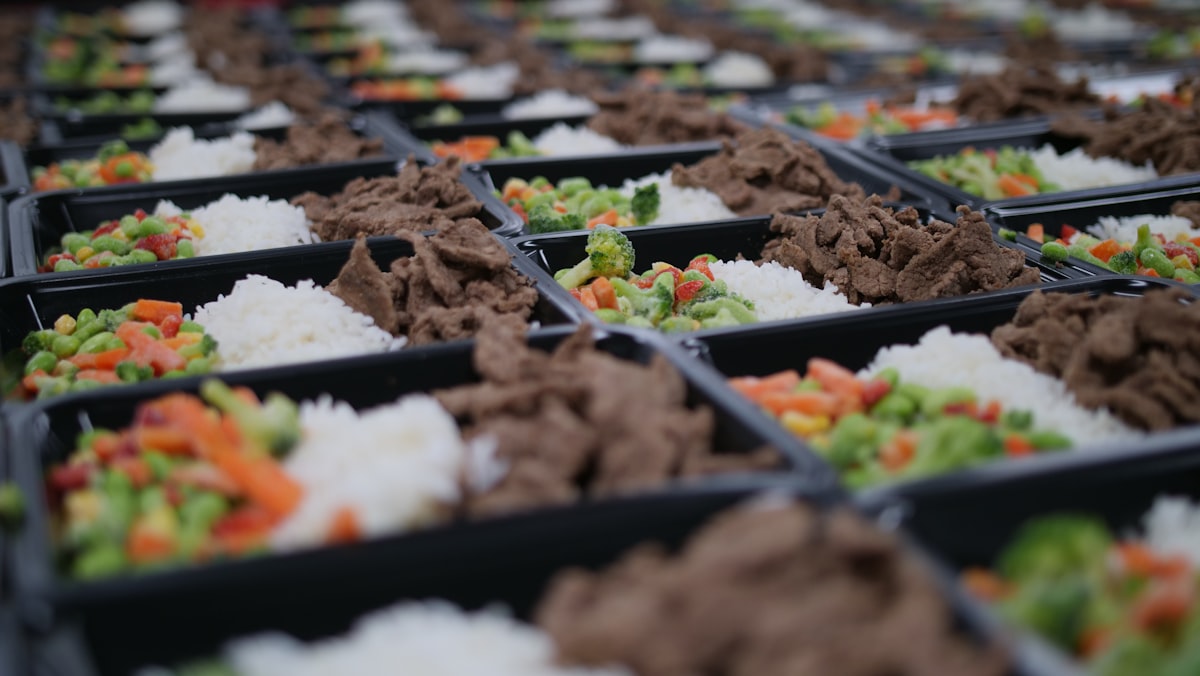
Strategic Carbohydrate Timing
Discover how to strategically time carbohydrate intake around your workouts to fuel intense training sessions and optimize muscle recovery and growth.
Read Article
Essential Micronutrients for Athletes
Explore the critical vitamins and minerals that support muscle function, energy production, and overall performance during intense muscle-building training.
Read Article
Pre-Workout Nutrition Strategies
Learn what to eat before training to maximize energy, endurance, and performance. Timing and nutrient composition are key to unlocking your muscle-building potential.
Read Article
Post-Workout Recovery Nutrition
Understand the critical window after training when proper nutrition accelerates muscle repair and growth. Discover optimal nutrient ratios for rapid results.
Read Article
Hydration Strategies for Peak Performance
Master the science of hydration and electrolyte balance to maintain strength, endurance, and muscle function during intense training sessions.
Read Article
Caloric Surplus Strategy for Gains
Learn how to calculate your ideal caloric surplus for muscle growth without excessive fat gain. Balance energy intake with your specific training intensity and goals.
Read Article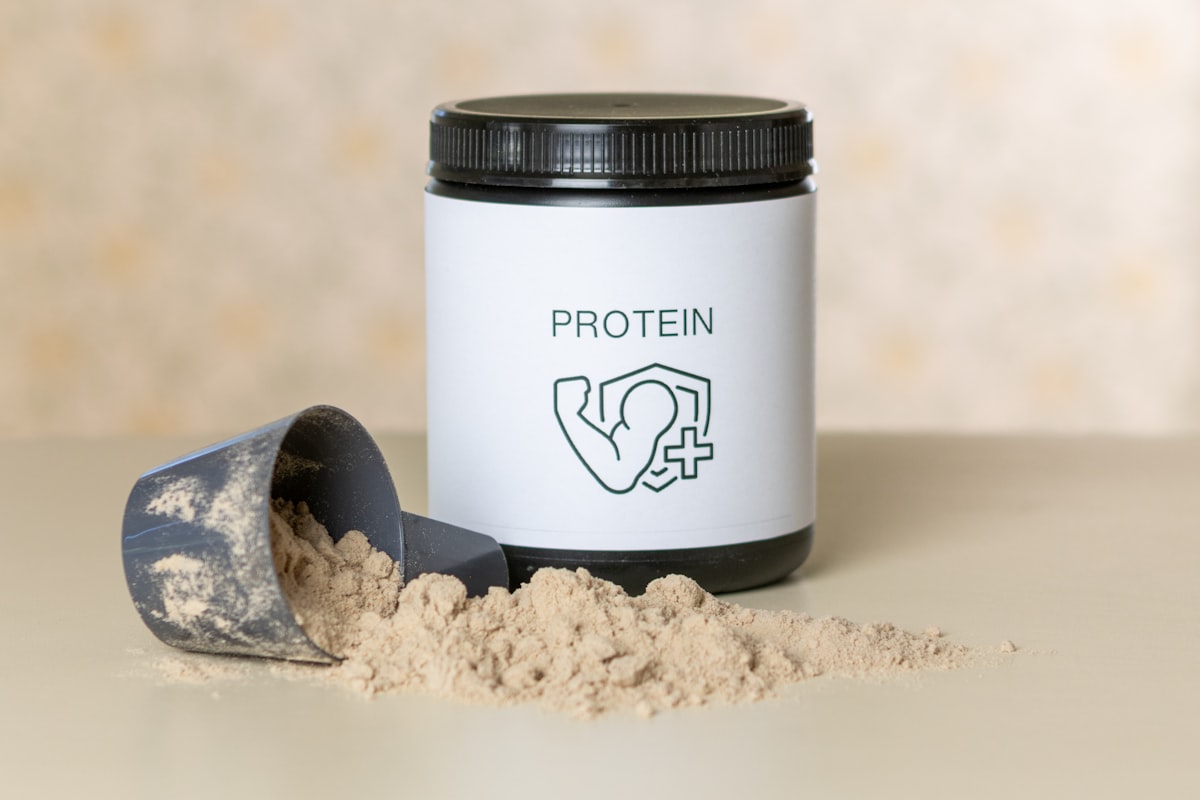
Nutrient Periodization Techniques
Align your nutrition strategy with your training phases. Discover how to adjust macronutrient ratios to support different training cycles and maximize results.
Read ArticleCore Nutrition Principles for Muscle Building
Progressive Caloric Intake
Building muscle requires a consistent caloric surplus tailored to your body composition and training volume. Our nutritionists guide you through calculating and adjusting your intake for optimal results.
Protein Distribution
Adequate protein intake distributed throughout the day supports muscle protein synthesis. Learn the science behind daily protein targets and optimal meal-to-meal distribution.
Strategic Carbohydrate Timing
Timing your carbohydrate intake around workouts fuels intense training and supports recovery. Discover how strategic timing maximizes your muscle-building response.
Micronutrient Optimization
Essential vitamins and minerals support muscle function and adaptation. Learn which micronutrients matter most and how to ensure adequate intake through your diet.
Hydration and Electrolytes
Proper hydration maintains muscle strength and endurance during training. Understand fluid and electrolyte requirements for peak athletic performance.
Nutritional Periodization
Aligning nutrition with your training phases maximizes results. Learn how to adjust your diet as your training intensity, volume, and goals evolve over time.
Your Complete Nutrition Roadmap
Building muscle is 70% nutrition and 30% training. Our comprehensive guide walks you through every aspect of sports nutrition from caloric calculations to meal planning and nutrient timing.
Personalized Caloric Targets
Calculate your ideal daily caloric intake based on your body composition, activity level, and muscle-building goals.
Macronutrient Optimization
Learn the optimal protein, carbohydrate, and fat ratios to support muscle growth and recovery throughout your training cycle.
Meal Timing Strategies
Master the science of eating before, during, and after workouts to maximize performance and recovery.
Food Selection Guide
Discover the best whole foods and sources of protein, carbs, and fats that support your muscle-building objectives.

Frequently Asked Questions
A common recommendation is 0.7 to 1.0 grams of protein per pound of body weight, or approximately 1.6 to 2.2 grams per kilogram. This range supports optimal muscle protein synthesis when combined with adequate resistance training and a caloric surplus. Individual needs vary based on training intensity, age, and current body composition, so personalized nutrition planning is ideal.
For optimal performance, consume carbohydrates 1-3 hours before training to fuel your workout, and again within 1-2 hours after training to replenish glycogen and support recovery. The exact timing and amount depend on your training duration and intensity. Liquid carbohydrate sources work well during very long training sessions. Consult our detailed carbohydrate timing guide for precise recommendations based on your schedule.
A caloric surplus means consuming more calories than your body expends, which provides the energy needed for muscle tissue growth. A modest surplus of 300-500 calories above your maintenance level typically supports muscle gain while minimizing excessive fat gain. The exact amount depends on your training program, metabolism, and body composition goals. Too small a surplus slows growth; too large increases fat gain.
Key micronutrients include iron (oxygen transport), zinc (protein synthesis and testosterone), magnesium (muscle function and energy), and vitamins D and B-complex (bone health and energy metabolism). Calcium supports muscle contraction, while antioxidants like vitamins C and E support recovery from training-induced stress. A varied whole-food diet typically provides adequate micronutrient intake, though blood testing can identify individual deficiencies.
Drink fluids consistently before, during, and after training. A general guideline is 17-20 ounces of fluid 2-3 hours before exercise, 7-10 ounces every 10-20 minutes during intense activity, and 16-24 ounces for every pound of body weight lost after exercise. For sessions exceeding 90 minutes, include carbohydrates and electrolytes (sodium and potassium) in your fluid. Individual needs vary based on climate, intensity, and sweat rate.
Yes, aligning nutrition with training phases optimizes results. During high-volume hypertrophy phases, maintain a moderate caloric surplus with higher carbohydrate intake. During strength phases, slightly adjust macros but maintain adequate protein. Periodizing your nutrition reduces injury risk, prevents plateau, and keeps your body adapting. Our periodization guide walks you through specific adjustments for different phases of your program.
Your Nutrition Learning Journey
Assess Your Current Nutrition
Begin by evaluating your current eating habits, daily caloric intake, and macronutrient distribution. Understanding where you stand is the foundation for developing an effective nutrition strategy that aligns with your muscle-building goals.